A preventable death can raise serious questions about responsibility, especially if another person's actions played a part in what happened. For surviving family members, finding answers may also mean dealing with unexpected expenses and financial losses. California law provides a way for eligible relatives to seek compensation through a wrongful death claim when the legal requirements are met.
Understanding the role of wrongful death lawyers in Los Angeles, CA, can help families learn about the claims process, the evidence involved, and the rules that determine who may seek damages.
What Is a Wrongful Death Claim?
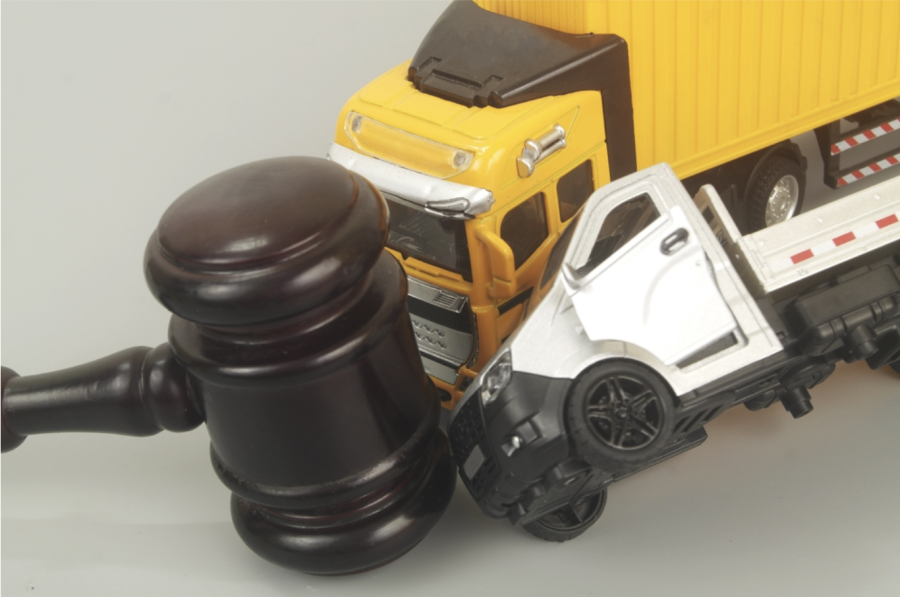
A wrongful death claim is a civil case brought after someone dies because of another person's negligence or wrongful act. It allows eligible surviving family members to seek payment for certain losses linked to the death. The claim may arise from a traffic collision, medical negligence, or another incident involving wrongful conduct.
These cases are separate from criminal proceedings. A criminal case may seek punishment for an offense, while a wrongful death claim focuses on losses suffered by eligible survivors. A criminal charge is not always required for a civil claim to exist, although the facts of each case matter.
Who Can File a Wrongful Death Claim in California?
California law sets rules about who may bring a wrongful death claim. A surviving spouse or domestic partner and eligible children may have the right to file. If there are no eligible children, other relatives may qualify under certain legal conditions. Some people who depended financially on the deceased may also qualify.
Family relationships can make eligibility more complex than it first appears. Not every relative automatically has the right to file, and the law considers specific relationships and circumstances. California also has rules for bringing claims involving several eligible survivors. Knowing who qualifies helps families understand how a claim may proceed.
Common Causes of Wrongful Death
A wrongful death claim may follow different types of fatal incidents. The main issue is whether another party's wrongful conduct caused the death and whether the legal requirements for a claim are met.
Common examples include:
Vehicle crashes: A driver may cause a fatal collision through speeding, distraction, or unsafe driving.
Pedestrian and motorcycle accidents: Negligent driving may lead to fatal injuries for people outside passenger vehicles.
Medical negligence: A serious medical error or failure to provide proper care may contribute to a patient's death.
Workplace incidents: Unsafe conditions or the actions of a third party may cause a fatal work accident.
Defective products: A dangerous product may cause fatal harm during normal or expected use.
Each case depends on its own facts, and the cause of death alone does not establish legal responsibility.
What Compensation May Be Available?
Wrongful death damages aim to address certain losses suffered by eligible survivors. California law identifies the types of compensation that may be claimed, but the amount depends on the evidence and circumstances.
Eligible losses may include funeral and burial expenses, the financial support the deceased would have provided, and the value of household services. Survivors may also seek damages for the loss of love, companionship, comfort, care, and guidance.
These losses are not always easy to calculate. Income records may help show financial support, while family and household records may help establish other contributions. Compensation is not automatic, and each claimed loss must meet the rules that apply to the case.
Evidence That May Support a Claim
Evidence helps establish how the death occurred, who may be responsible, and what losses the surviving family members experienced. Records gathered during an investigation may become important if responsibility is disputed.
Useful evidence may include police or incident reports, medical records, witness statements, photographs, video footage, and financial documents. Records of the deceased person's income and household contributions may help show the financial effect on eligible survivors.
Families should keep relevant documents and avoid changing or discarding records connected to the incident. Evidence requirements vary, so the material needed for one case may differ from what another case requires.
California's Deadline for Filing a Claim
Time limits can affect whether a wrongful death lawsuit may proceed. In California, the general deadline is two years from the date of death. However, special rules may apply to certain cases, including claims involving government entities or other circumstances covered by different legal deadlines.
Missing the applicable deadline may prevent a family from pursuing compensation through the courts. The date of death, the identity of the responsible party, and the type of claim may affect which rules apply. Families should confirm the relevant deadline rather than assume every case follows the same timeline.
Getting Clear About Your Legal Options
Losing a loved one can bring expenses and legal questions that are difficult to manage alongside grief. Learning about wrongful death lawyers in Los Angeles, CA, may help eligible families understand the process, discuss possible claims, and learn what records could support their case.
California law sets limits on who may file, which losses may be claimed, and how much time is available. A clear understanding of these rules can help families ask informed questions and consider their options without relying on assumptions about responsibility or compensation.