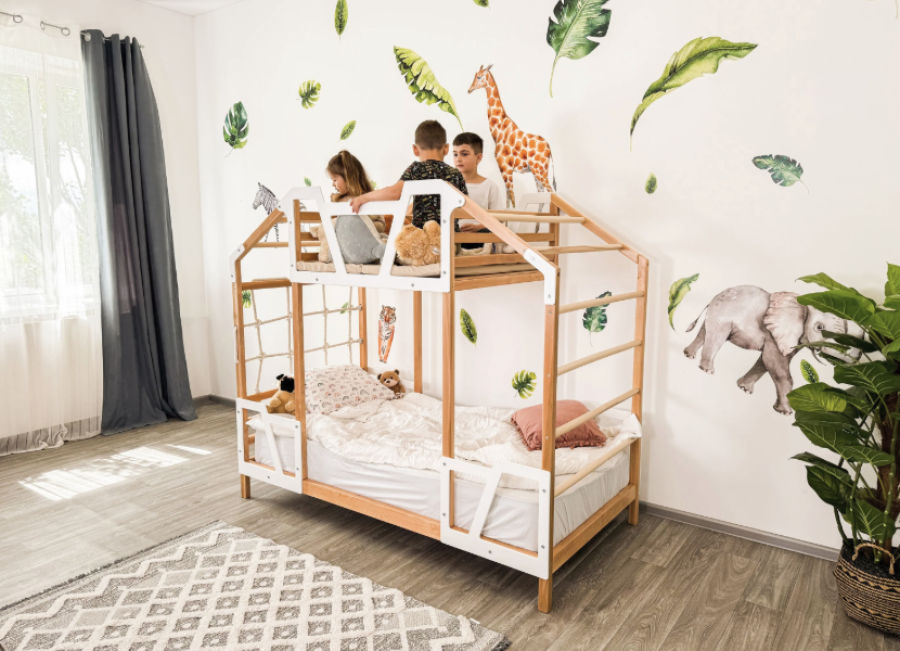
Ten years ago, a floor bed would have earned a raised eyebrow from half the relatives. Now every second nursery on Instagram has a mattress sitting a hand’s width off the rug. Funny how fast that changed. Grandma still asks if the kid isn’t cold down there. Parents got tired of lifting a sleepy kid over a rail at 6 a.m., and kids turned out to be perfectly happy walking to bed on their own. That’s the Montessori idea in one picture: the room is arranged around the child, so the bed sits where small legs can reach it. Some are barely more than a frame, and others wobble the first time a toddler leans on the side. Below you’ll see what a floor bed gives a family and how to choose and set one up.
Main Benefits of Montessori Floor Beds
Take the rails away, and a funny thing happens. The kid just gets up. Wakes at seven, wants the toy truck that rolled under the shelf, and goes for it without yelling for anyone. Parents get a few extra minutes with their coffee. The mattress sits just ten centimeters above the floor, so there's less distance to fall if a child rolls out during the night. Toddlers figure out fast that the bed is theirs to use. They flop in when they’re tired and wander off when they’re done, no permission needed. Then there’s the sleeping spot itself. A parent can sit on the edge and read without bending in half. Books pile up there, along with one teddy missing an ear. Crumbs are a separate problem.
How to Choose a Floor Bed for a Child
Shopping for a floor bed is less simple than it looks. Wood matters most, honestly. Solid beech or pine can last through childhood when properly made and cared for, but a board bed with a strong chemical smell deserves a closer look before you buy it. Sizes confuse people. A compact toddler frame works until about age four, then you’re shopping again. A full single bed looks huge in a small room, though, and plenty of families only realize it after assembly, so mark the floor with tape first. Then look at what the mattress rests on. Slats let it breathe; a flat panel doesn’t, and damp spots show up fast on a panel, usually when the sheets feel clammy. The last question is who sleeps there. A three-year-old wants low sides; a ten-year-old wants room to sprawl.
How to Set Up the Sleep Area Properly
Where the bed goes matters more than people expect. Pick a spot away from the radiator and the window, since a cold draft at floor level hits a sleeping child first. A wall on one side feels cozy for most kids, but follow the maker’s instructions on bed placement and keep the mattress properly ventilated to prevent moisture buildup. Speaking of moisture, lift the mattress regularly and let the underside air out. Follow the mattress maker’s care instructions, especially if the room tends to get damp. A floor is also where dust lives, so vacuum under the frame often. Around the bed, a washable rug softens the landing and keeps feet warm. Keep a dim night light low on the wall so a midnight trip to the door isn’t a blind one. Anchor tall shelves to the wall and hide any cables within reach.
Montessori Floor Beds by BusyWood
BusyWood builds its Montessori floor bed out of wood, and you can feel that the moment you touch the frame. The surface feels warm, and the grain shows through. The shape is plain on purpose. Low sides and clean lines, with no painted animals or plastic knobs competing for attention, so the bed fits into a calm nursery and doesn’t fight the toys around it. Kids end up noticing the bed less and using it more, and that’s the idea. Sit on the edge with a picture book, and you’ll notice the height is right for a small person. Feet reach the floor, no stretching. The frame holds steady when a child leans their whole weight on one side or drops in sideways after school, and it keeps doing that for years. Plain shapes age well too. New rug, different wall color, and the bed still looks like it belongs there.
A low bed lets a child handle bedtime and mornings without waiting for an adult. That freedom is the real selling point. For parents, the checklist is boring but it works. Real wood, a sturdy frame, the right size, and proper mattress ventilation. Get those basics right, and the bed can make everyday life easier for years.