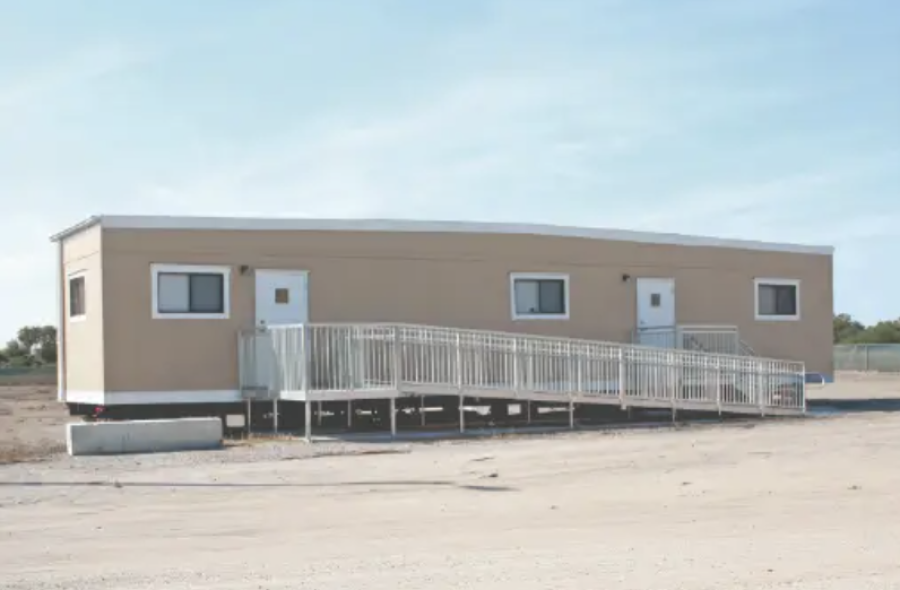
When a disaster disrupts public services, response teams require suitable places to coordinate their work. Damaged buildings, blocked roads, and interrupted utilities can also affect where personnel carry out emergency operations. Mobile offices provide temporary workspaces near affected communities, and this gives response teams a designated base for coordinating relief activities. Here are some of the roles of mobile offices in disaster recovery and emergency response:
Coordinate Response Teams
Medical personnel, engineers, local authorities, and relief workers may operate across the same affected area. Without a suitable workspace, key updates risk getting scattered across phone calls and separate field teams. Mobile offices give coordinators a central place to review information; they also help staff organize daily assignments.
The layout of the workspace also affects how teams communicate. An open-plan unit supports shared discussions, and separate rooms provide space for private briefings. When choosing a layout, think about how many people will use the facility and the type of work they perform. A response team handling several neighborhoods needs enough room for planning sessions and regular staff updates.
Office configurations with computer access and satellite systems support operations in areas where local infrastructure has been damaged. Teams still need reliable power and suitable connectivity arrangements at the site. Plan these requirements early; this helps reduce interruptions during the response period.
Manage Relief Distribution
Relief distribution involves monitoring incoming items and directing supplies to communities in need. A mobile office provides logistics staff with a secure workspace to review delivery records and communicate with distribution teams. Staff can also use the facility to coordinate schedules and respond to changes in supply availability. A well-planned workspace supports several operational needs:
- Clear documentation: Keep delivery records, inventory updates, and dispatch information in one accessible location.
- Staff coordination: Give logistics personnel space to review assignments and communicate changes before dispatch.
- Operational continuity: Maintain an administrative base when damaged infrastructure disrupts normal office operations.
- Resource accountability: Provide a central location to check supply records and resolve discrepancies.
As distribution needs change, the office layout should accommodate the team's workload. Separate work areas give staff room to handle records while coordinators communicate with field personnel. Storage containers provide additional space for equipment, although some relief materials require suitable storage conditions. Keep administrative work near distribution activities; this helps teams respond to revised instructions.
Establish Field Command
Emergency operations require a site where personnel can coordinate. The field command center serves as office space for briefings and operational records, and for coordinating with local authorities. The proximity of the site to the affected area and access routes should be noted when choosing the location; adequate space should be available at the site to accommodate personnel and equipment.
The location should support command operations that are in a single area. Within this setup, the conference room provides space for scheduled briefings, and enclosed offices allow sensitive discussions to take place. Ground-floor offices are also a suitable option for quick building access. Modular unit companies offer different layouts that may align with the conditions present at the disaster location.
Maintain Recovery Operations
Recovery work continues after emergency response teams leave the area when a mobile office is available. There is still room for construction supervisors, engineers, and government officials to coordinate restoration efforts. While permanent buildings are being fixed or replaced, the mobile office is available for use as a working base. When planning the recovery phase, factor in how long teams will be on-site and what their duties are. Planning for changes helps minimize disruption to operations during the active recovery project.
As recovery work progresses, teams may need additional office space for contractors and technical staff. Modular layouts offer:
- Flexibility to expand workspaces by connecting separate units together
- Options to rearrange partitions to accommodate staffing changes
- Expand to accommodate contractors and administrative staff for a project.
Learn More About Mobile Offices
Before choosing mobile offices, assess site accessibility, installation requirements, utility connections, and the expected duration of use. A modular unit provider may offer pre-fabricated units; this allows governments to quickly procure and use an office in emergencies. The suitable arrangement depends on the activities being carried out and the conditions at the affected location. Consult a modular building specialist to identify a facility that meets your emergency response and disaster recovery requirements