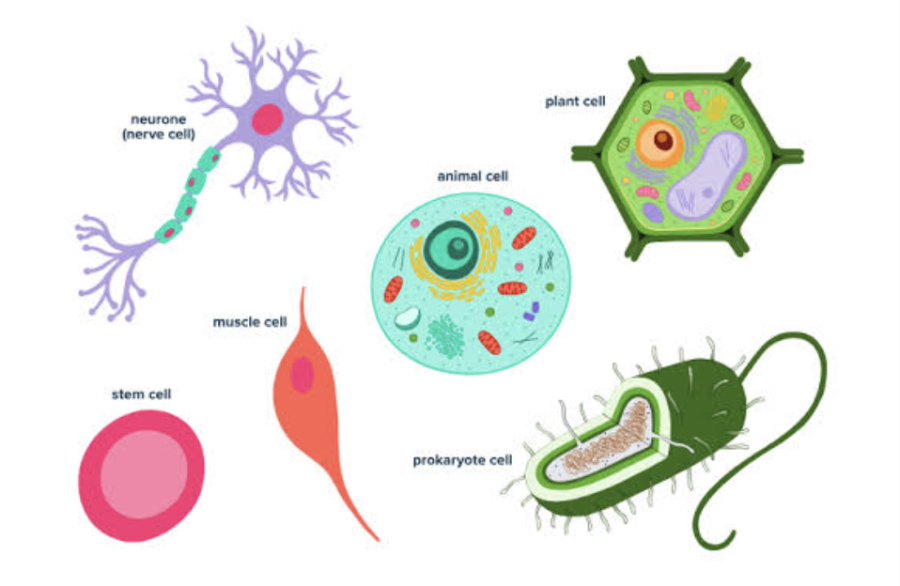
Biomedical research has entered an era where scientific discoveries increasingly depend on the availability of high-quality human biospecimens. From basic laboratory investigations to advanced clinical studies, researchers rely on biological samples to understand disease mechanisms, identify biomarkers, validate therapeutic targets, and develop innovative treatments. As personalized medicine continues to expand, access to well-characterized biospecimens has become one of the most important factors influencing the success of modern research programs.
At the same time, obtaining reliable biological samples is far more complex than simply collecting tissue or blood. Every stage of the process—including donor recruitment, ethical oversight, specimen collection, processing, storage, transportation, and documentation—can influence downstream analytical results. Standardized procedures have therefore become a cornerstone of high-quality biomedical research, helping laboratories generate reproducible and clinically meaningful data. Organizations such as the U.S. National Cancer Institute emphasize that standardized collection, processing, storage, and quality management are essential for reliable biospecimen-based research.
Why Biospecimens Matter
Human biospecimens provide researchers with direct insight into biological processes occurring within healthy and diseased tissues. Unlike experimental models alone, human samples reflect the true molecular characteristics of individual patients.
Today, biospecimens support research in virtually every field of life science, including:
- Oncology
- Neuroscience
- Immunology
- Rare diseases
- Infectious diseases
- Regenerative medicine
- Precision medicine
- Drug discovery
- Biomarker development
- Translational medicine
Different research projects require different specimen types. Depending on study objectives, investigators may utilize whole blood, plasma, serum, peripheral blood mononuclear cells (PBMCs), fresh tissues, frozen tissues, FFPE samples, cerebrospinal fluid, bone marrow, urine, saliva, DNA, RNA, or isolated human cells.
Each specimen type offers unique biological information that contributes to understanding disease biology and therapeutic response.
Quality Starts Before Laboratory Analysis
Many scientists focus primarily on analytical technologies such as sequencing, proteomics, or single-cell analysis. However, experienced researchers recognize that data quality is heavily influenced by what happens before a sample even reaches the laboratory.
Pre-analytical variables may include:
- Collection protocols
- Time to processing
- Transportation conditions
- Temperature control
- Sample stabilization
- Storage duration
- Freeze-thaw cycles
- Clinical annotation
Even minor inconsistencies during these steps can significantly alter RNA integrity, protein expression, metabolite profiles, or immune cell function. This is why standardized biospecimen workflows have become essential for producing reproducible scientific data. The NCI's biospecimen guidance highlights that variation in collection and handling procedures can directly affect research reproducibility and downstream molecular analyses.
Selecting A Reliable Biospecimen Partner
One of the most important decisions for any research organization is choosing a dependable biospecimen supplier.
An experienced supplier provides far more than biological material. Researchers often require comprehensive support throughout specimen procurement, including:
- Ethical donor recruitment
- IRB-compliant collection procedures
- Standard operating procedures (SOPs)
- Clinical data annotation
- Quality control testing
- International logistics
- Regulatory documentation
- Custom collection programs
The ability to coordinate these elements consistently can significantly improve study efficiency while reducing variability between collection sites.
The Importance Of Ethical Procurement
Ethical sourcing remains a fundamental component of biomedical research.
Modern biospecimen procurement programs typically include:
- Informed donor consent
- Privacy protection
- Regulatory compliance
- Chain-of-custody documentation
- Sample traceability
- Transparent governance
These principles not only protect research participants but also increase confidence in study outcomes and facilitate collaboration between academic institutions, biotechnology companies, pharmaceutical organizations, and contract research organizations.
Supporting Modern Research Programs
Large research initiatives increasingly require biospecimen collections that extend beyond traditional biobanks.
Investigators may need:
- Prospectively collected samples
- Disease-specific cohorts
- Healthy control donors
- Longitudinal collections
- Matched case-control studies
- Treatment-naïve patients
- Post-treatment follow-up samples
Flexible procurement strategies allow researchers to design studies around scientific objectives rather than being limited by specimen availability.
The Value Of Comprehensive Services
As biomedical research becomes increasingly specialized, many organizations seek partners capable of supporting multiple specimen types and disease areas through a single coordinated workflow.
Companies like cell bio focus on providing integrated human biospecimen solutions designed to support pharmaceutical companies, biotechnology organizations, CROs, and academic investigators working across diverse therapeutic areas.
Comprehensive procurement services may include customized collection protocols, standardized processing procedures, quality management systems, and access to clinically characterized donor cohorts that meet specific research requirements.
Looking Ahead
Advances in precision medicine, molecular diagnostics, and targeted therapeutics continue to increase demand for high-quality human biospecimens. Future discoveries will depend not only on increasingly sophisticated analytical technologies but also on the quality, consistency, and traceability of the biological samples used throughout the research process.
Organizations that invest in standardized biospecimen procurement and strong quality systems are better positioned to generate reliable, reproducible data that can accelerate biomarker discovery, improve translational research, and support the development of safer and more effective therapies.
As biomedical science continues to evolve, carefully collected and ethically sourced human biospecimens will remain one of the most valuable resources available to researchers worldwide