Ever walked into a chemistry lab and noticed how the air just feels clean? No harsh odors. No strange fumes hanging around. Most people don’t give it a second thought. But behind that calm, breathable environment sits a piece of equipment quietly doing heavy lifting all day long: the laboratory fume hood.
And honestly, when it’s working properly, you barely notice it. That’s kind of the point.
What Is a Laboratory Fume Hood?
A laboratory fume hood, sometimes called a fume cupboard or fume closet, acts as a protective barrier between laboratory staff and potentially hazardous substances. Think of it as the lab’s built-in ventilation shield.
Inside the hood, air constantly moves in a controlled direction. Vapors, chemical fumes, and airborne particles are pulled away from the workspace and safely extracted before they can spread into the room. Simple idea. Critical function.
Without that airflow system, even routine lab work could expose personnel to harmful substances. With it, the risks drop dramatically.
Why Laboratory Fume Hoods Matter for Safety
Laboratories deal with volatile chemicals, reactive compounds, and experimental setups that sometimes behave in unpredictable ways. Because of that, proper ventilation isn’t optional, it’s essential.
A well-designed chemical fume hood helps to:
Capture and remove hazardous vapors and gases
Prevent chemical exposure for laboratory staff
Protect the surrounding environment from contamination
Create a controlled workspace for experiments
In short, it keeps people safe while letting research move forward.
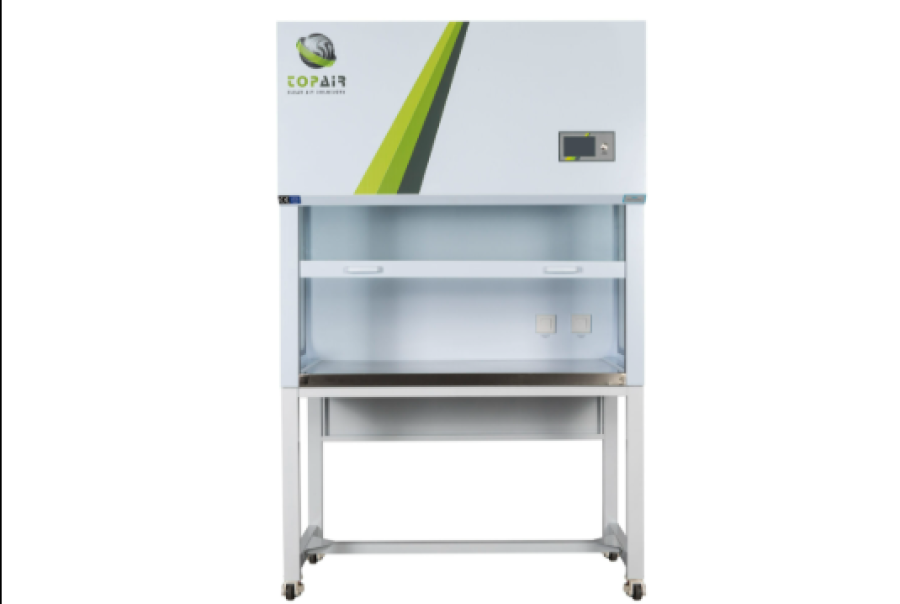
Top Air Systems Laboratory Fume Hoods
When it comes to modern laboratory infrastructure, Top Air Systems has built a reputation for designing fume hoods that combine safety, efficiency, and usability.
Their systems go beyond basic airflow control. The company has invested heavily in improving ventilation performance while reducing energy consumption. One example is IPMS, a biosafety cabinet with an integrated particles detection system.
That matters more than most people realize. Labs operate ventilation systems continuously, often around the clock. Even small efficiency improvements translate into major long-term energy savings.
Flexible Designs for Different Laboratory Applications
Not every lab operates the same way. Some need compact workstations, others require space for large equipment or complex experimental setups.
Top Air Systems offers several types of laboratory fume hoods, including:
Ductless fume hoods to protect laboratory personnel from toxic vapors, fumes & particulates
Walk-in fume hoods designed for larger equipment and apparatus
Fume Cupboard to protect users from inhaling hazardous gases, vapors, aerosols, and dust
Units with specialized interior linings tailored to chemical resistance needs
This flexibility allows laboratories to select equipment that matches their exact workflow rather than forcing researchers to adapt to rigid infrastructure.
Advanced Airflow Engineering for Maximum Protection
Safety remains the foundation of every Top Air Systems laboratory fume hood.
Their systems are engineered to minimize backflow, a dangerous situation where contaminated air escapes from the hood back into the laboratory. To prevent this, the internal design carefully controls airflow patterns.
Key features include:
Aerodynamic hood geometry that promotes smooth air movement
Airfoil sills that guide airflow and reduce turbulence
Supportive flow air systems that sweep harmful gases away from work surfaces
This controlled airflow ensures vapors are captured and removed efficiently, even when the hood is filled with equipment or when researchers are actively working in front of it.
A Laboratory Essential That Works Quietly in the Background
The best laboratory equipment often goes unnoticed.
Researchers focus on experiments, data analysis, and deadlines, while the fume hood quietly manages airflow and removes hazardous vapors before anyone even realizes they were there.
That’s the real value of a well-designed laboratory fume hood. It protects people, supports efficient workflows, and helps create a safer laboratory environment without getting in the way.