When we think of pro sports and social media, our minds immediately go toward the innocuous. You might get a mental image of a team account or channel fluttering through your brain. Or maybe you remember a particular viral highlight. You could even be drawn to the account of a specific athlete. The above all highlight the ties between social and pro sports. It is also just the tip of the iceberg. Social media has actually changed the way pro leagues operate, and how pro athletes go about doing their jobs. In fact, along with the rise of legal sports betting, social media represents one of the two most influential outside forces impacting games, matches, competitions, even entire livelihoods.
If this surprises you, you are not alone. And if you are also wondering whether this impact is for the better or worse, well, you’re far from alone once more.
Social Media Access Materially Affects Mental Health of Pro Athletes
Numerous studies have discovered various correlations between social media use and mental health. Pro athletes are not unique in how they are impacted, whether positively or negatively. But the scale at which they are exposed is different from the average person. Think about it: Pro athletes are effectively brands nowadays. Some have millions of followers, across multiple platforms, whether it’s Instagram, X (formerly Twitter), TikTok, whatever. Beyond that, they are also prominently featured outside of their own personal accounts. Teams post content built entirely around them. Brands run massive social media campaigns around their likeness. Never before have pro athletes been more front-and-center–or, more importantly, seemed more accessible.
The latter is perhaps the most critical factor when assessing mental health. Plenty of athletes provide you with peaks behind the scenes of their everyday lives, unfiltered thoughts, non-sports interests, etc. Fans can feel like they know them, not dissimilar to the sensation of influences. Contact with pro athletes is now also just a direct message away. That seems fairly cool as a fan. But it opens up athletes to a constant feedback loop, the vast majority of which is negative, because that is what the tone of social media has become.
This Negative Feedback Loop Has Been Studied
Framed this way, it is impossible for this not to meaningfully affect an athlete’s psyche, and even their performance. As the staff over at PsychReg.org writes:
“Whether messages are sent directly or posted publicly, athletes frequently fall victim to offensive, threatening and derogatory remarks at the hands of social media users. Not only is this upsetting and distressing to read, but it can conjure up feelings of fear and anxiety that can have long-term effects.
In the U.K., footballers are particularly vulnerable to online abuse. The aforementioned Premier League study looked into the sentiment of tweets received by Premier League clubs. Many teams receive more negative comments than positive, with Tottenham Hotspur faring the worst. Trolling isn’t exclusive to football, however, with many professionals across all sorts of sports reporting similar experiences. A 2021 study, also investigating negative comments on Twitter, revealed that American basketball player LeBron James received the most negative comments that year (122,568) of all sports stars investigated, with British footballer Marcus Rashford coming in second (32,328).”
The social media climate has only changed in recent years. And it is arguably for the worse. So many more interactions are polarized than before. Typing from a keyboard or mobile device inherently emboldens people. Presumed anonymity, along with distance, is akin to Teflon. It also doesn’t help that social media platforms are readily set up to disseminate misinformation. Whether they are memes, AI-generated videos, flat-out fake reports with malicious intentions, athletes can become the main character in a viral story that never actually happened. It all contributes to the types of messages they receive.
Sports Betting is Another Sleeping Giant in All of This
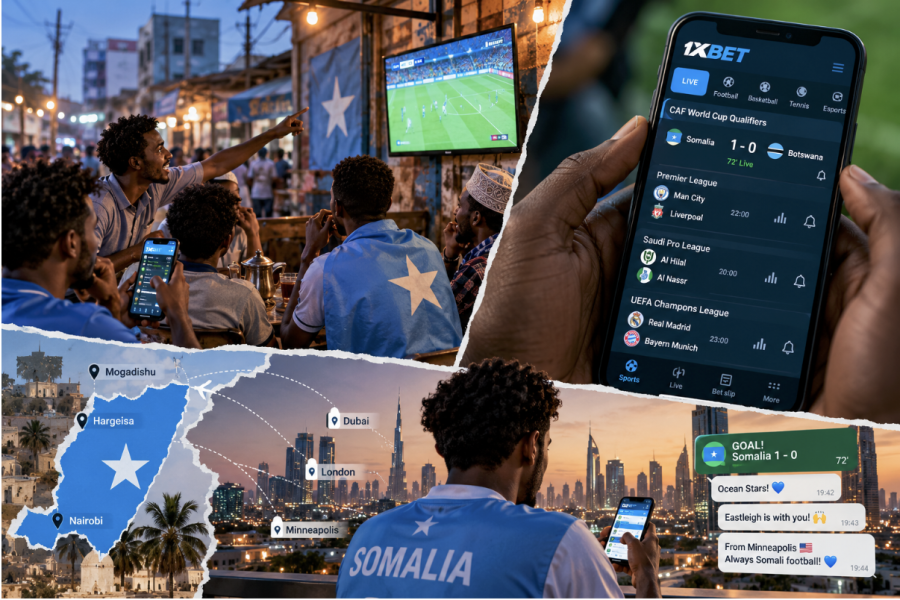
As mentioned before, legal sports betting has changed the industry forever. Leagues and their athletes profit off the additional interest. But this revenue also comes with concessions, obstacles and overall downsides. Social media interactions are among the downsides. Aggrieved bettors who lost a wager now have the ability to single out athletes with derogatory language and oftentimes threats. A 2025 feature by The Athletic’s James L. Edwards III found that the vast majority of NBA players have been harassed by furious gamblers, either in their mentions or direct messages. One head coach, J.B. Bickerstaff was even doxed. This is to say, his home address and personal information were posted for tens of thousands of people to see.
This is not unique to the NBA. It is not unique to any subset of sports, period. Everyone from NFL and MLB players to pro golfers and tennis players routinely deal with these conditions. The vitriol received is even statistically worse among pro women athletes, as well as minorities in general. Some view this as a necessary trade-off of fame and fortune. Pro-athlete salaries would, by and large, not be anywhere near as lavish as they are now without the ubiquity of social media. At the same time, with these conditions trickling into college sports and impacting student-athletes, concern for well-being is reaching an all-time high. Leagues like the NBA, as well as the NCAA, have even petitioned sportsbooks to limit the amount of player-specific betting lines they offer. Diluting the hyper-individual nature of certain wagers, they believe, will diminish both the occurrences of outcome manipulation as well as athlete abuse. It remains to be seen whether anything can be done to noticeably impact how people on social media interact with pro athletes and other higher-profile individuals. Remember, this isn’t a sports-specific problem. It just happens at the pro-league level on a grander scale. For all the good social media has done and can still do, it’s clear now that there’s a seedy underbelly to its deployment. And neither pro sports nor the athletes who play them will ever be the same again.