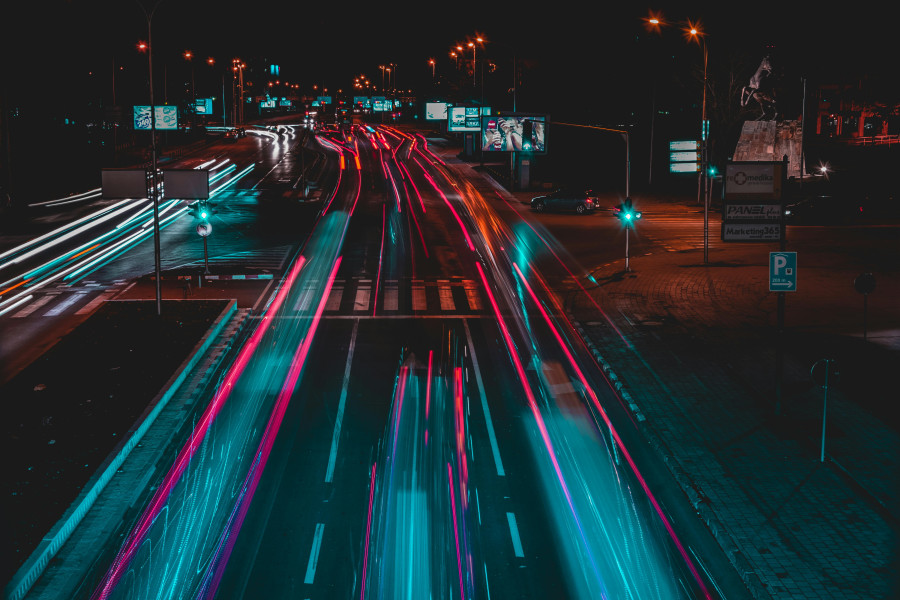
Road safety discussions often begin with infrastructure. Governments widen highways, install better lighting, redesign intersections, and invest in smart traffic systems. While these improvements matter, accidents continue to occur at alarming rates.
According to the Centers for Disease Control and Prevention (CDC), each year, 1.19 million people are killed on roadways around the world. For children and young adults aged 5 to 29, road traffic crashes are the top cause of death. These numbers show that safer roads alone are not solving the problem.
In response, many countries, including the United States, have adopted the Safe System approach. This model recognizes that humans make mistakes and that the transportation system should be designed to reduce the impact of those mistakes.
However, even with better design principles and safer infrastructure, crashes persist. This suggests that road safety challenges extend beyond physical structures. Behavior, culture, enforcement, and accountability systems all play a role.
This article examines the
deeper, human-centered challenges that no amount of concrete or code can fully
resolve.
The
Overreliance on Structural Solutions
For years, road safety relied on engineering. We believed building flyovers, widening lanes, and installing speed cameras would automatically stop crashes. While these tools help, they aren't a cure-all.
Even on state-of-the-art highways with perfect markings and barriers, fatal accidents still happen. The problem is that infrastructure organizes the physical environment, but cannot eliminate human risk or the split-second decisions drivers make, regardless of their surroundings.
Recognizing this gap, transport ministers from 69 countries met at the International Transport Forum Summit in Germany on May 22, 2025. Supported by the WHO, they adopted a landmark policy urging governments to move beyond just building roads. They are now prioritizing evidence-based, inclusive approaches that fit specific local needs to save the most lives.
This shift is great news
because it finally acknowledges that structural investment alone offers
diminishing returns without addressing the human element.
Driver
Psychology and Risk-Taking Behavior
Psychology plays a massive role in road safety. Infrastructure cannot fix sensation-seeking traits or impulsivity, which often lead to speeding and tailgating regardless of road design. Furthermore, advanced vehicle safety features can trigger the Peltzman effect, where drivers take more risks because they feel overly protected. Our fast-paced digital world also erodes the patience and focus required for safe driving.
According to the NIH, risk perception is a key factor. A Polish study using KZD questionnaires found that drivers with low risk perception were much more likely to speed or run red lights.
However, some dangerous habits,
such as using mobile phones or not wearing seat belts, occurred regardless of
how risky the driver thought they were. This suggests that while understanding
risk helps prevent some hazards, it doesn't stop others. Ultimately, even the
best roads cannot fully counter the complex behavioral adaptations and
psychological triggers that drive human error.
Digital
Culture and the Gamification of Risk
One of the less discussed influences on road safety today is digital culture. Fast-paced games and short-form content rely on instant rewards, rapid reactions, and repeat attempts after failure. While evidence does not clearly show that video games directly cause reckless driving, they may shape how risk is perceived. In these environments, consequences are temporary and reversible. On real roads, they are not.
The devastating reality of this behavior is often seen in the legal system. An experienced auto accident lawyer will tell you that the aftermath of reckless driving is never abstract.
According to TorHoerman Law,
being injured due to someone else’s negligence can disrupt every aspect of your
life, causing physical pain and emotional distress. Personal injury lawyers
help victims navigate the legal process to pursue the compensation they
deserve. These cases serve as a vital countermeasure, reminding drivers that
real-world risks lack a "respawn" button and carry heavy, permanent
accountability.
Enforcement
Gaps and Perceived Impunity
One of the biggest weaknesses in road safety systems is the gap between laws on paper and laws in practice. When enforcement is inconsistent, drivers begin to calculate risk differently. If the probability of being stopped is low, violations such as speeding or running red lights start to feel like acceptable chances.
Because speed cameras are often limited to specific corridors and police patrols follow predictable patterns, deterrence weakens the moment a driver leaves those zones.
The real-world impact of inconsistent enforcement was reported in San Francisco. According to ABC7, a Civil Grand Jury investigating the failure of the city’s Vision Zero initiative found that reduced traffic enforcement played a major role. Katherine Blumberg, who served on that jury, noted a “sense of lawlessness” on city streets.
She warned that without
enforcement, you can change all the rules you want, and no one will take them
seriously. This makes it clear that without visible and consistent
accountability, even the best safety strategies lose their impact.
Cultural
Attitudes Toward Speed and Time
Driving behavior is shaped not only by road design but also by social values. In many fast-paced urban environments, time is treated as a form of currency. Commuting is seen as lost productivity, and traffic becomes a frustration rather than a shared public space. Within this mindset, small violations like crossing a late amber light or squeezing into tight gaps are often viewed as practical choices.
Over time, this normalization weakens the boundary between safe and unsafe behavior. When drivers regularly observe others breaking minor rules without consequences, those actions begin to feel acceptable.
The danger lies in how quickly
convenience replaces caution as the guiding principle. Changing this pattern
requires more than infrastructure upgrades. It calls for a cultural shift that
places greater value on patience and collective safety over speed and personal
efficiency.
Frequently
Asked Questions
Why
does road infrastructure fail to prevent accidents even when it is
well-designed?
Infrastructure organizes the
physical environment and reduces risk exposure, but it cannot control human
decision-making. Most accidents are caused by behavioral factors such as
impulsivity, overconfidence, or distraction. These tendencies persist regardless
of how well a road is designed or how advanced its safety features may be.
How
does digital culture contribute to reckless driving among younger road users?
Fast-paced gaming environments
promote impulsive decision-making, instant reward thinking, and desensitization
to consequences. These psychological patterns can transfer to real-world
driving. Younger drivers may unconsciously approach road risks with a challenge
mindset that infrastructure and traditional safety messaging are not equipped
to counter.
What
role does an accident lawyer play in improving road safety?
An accident lawyer strengthens road safety by enforcing accountability. By pursuing compensation claims and establishing liability, they create financial and legal consequences for negligent driving. This deterrent effect discourages risky behavior, supports victims’ recovery, and pressures insurers, drivers, and institutions to prioritize responsible conduct on the roads.
True road safety requires more than just better engineering. While modern infrastructure and vehicle technology provide a vital foundation, they cannot fully account for the complexities of human psychology. As we have seen, even the most advanced roads fail when enforcement is inconsistent or when drivers feel a sense of impunity.
Building a truly safe
environment means embracing the Safe System approach, which acknowledges human
error and prioritizes life over speed. By addressing behavioral risks and
promoting a culture of accountability, we can finally bridge the gap that concrete
and steel alone cannot close.