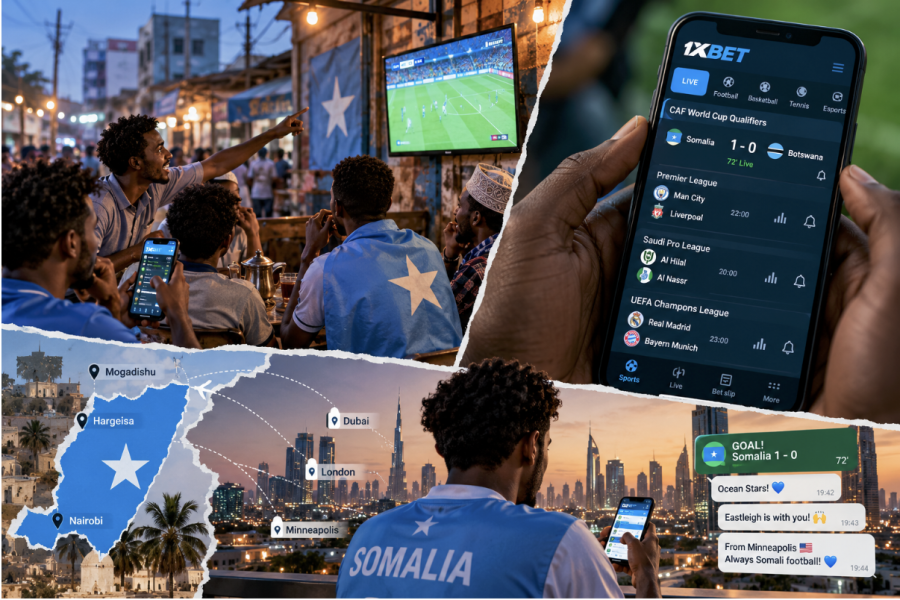
In many emerging economies, gambling moved from small corner shops to smartphone screens. Football nights, group chats and short videos now come with odds, coupons and screenshots of big wins. For a large part of the young generation, the first experiments with risk and money often happen not in a bank branch but on a betting slip or a slot screen.
Casino and sportsbook platforms, including international brands that promote links such as https://crorebetsite.com/, appear in the same browser as music, social media and games. One moment shows a highlight from a match, the next moment offers a quick chance to stake money on the next result or spin a reel. That constant presence slowly shapes how risk, reward and everyday spending are understood.
How easy access reshapes daily money choices
Online casinos and bookmakers remove many old barriers. No need for travel, cash on the table or long conversations with a clerk. Deposits flow through mobile wallets, vouchers and local gateways that already serve bills and shopping. For a young adult who manages most payments digitally, adding funds to a betting account can feel similar to topping up a data plan.
This convenience changes habits in quiet ways. Small deposits become part of routine spending, often without a clear line between entertainment and financial responsibility. The idea of gambling as a rare weekend activity is replaced by short daily sessions that sit between classes, gig work or shifts.
First, it helps to look at some common patterns that appear in this environment.
regular gambling deposits becoming a stable line in the monthly budget
winnings treated as easy solutions for short term money gaps
important purchases delayed after a few lucky weekends with extra cash
betting account balances used as informal wallets for daily spending
attempts to recover recent losses by sending more funds after payday
None of these patterns appears overnight. All of them grow slowly from a mix of excitement, social influence and the illusion that losses are temporary while big wins wait just ahead.
Savings, debt and the fragile line between fun and pressure
In many developing countries, incomes remain modest and unstable. Under such conditions, the portion of money that reaches gambling sites can have a strong effect on long term security. Funds that might support education, emergency cushions or small business ideas end up circulating through slots and match coupons.
Short term credit adds another risk. In some markets, instant loans, salary advances or informal borrowing serve as sources for new deposits when losses hurt too much. Once interest and penalties join the story, entertainment quietly turns into financial stress. The original idea of “just a bit of fun” becomes harder to recognise when messages from lenders start arriving.
Families feel the pressure too. Unexplained gaps in household budgets, late contributions to shared bills and emotional distance around money topics often point to hidden gambling activity. Trust inside the home can erode long before any formal debt collection begins.
Psychology and social pressure around winning screenshots
The behaviour of young users is not driven only by money. Psychology plays a strong role. Online casinos and bookmakers use bright visuals, bonuses and near misses to stimulate attention. Every spin or live bet offers a small chance of sudden improvement, which feels especially tempting in environments with limited career options.
Social media magnifies this effect. Winning tickets, big multipliers and jackpot moments travel quickly through chats and stories. Losses remain mostly invisible. As a result, the collective picture becomes distorted. The group sees many examples of success and very few of long losing streaks, even though statistics work in the opposite direction.
This mix of design and peer influence creates several vulnerabilities.
optimism about beating the odds that ignores the built in house edge
limited experience with budgeting and interest rates before major life milestones
strong desire for status when wins receive praise in online groups
heavy exposure to targeted ads that follow sports fans across platforms
use of betting sessions as escape from stress, unemployment or family pressure
Without counterweight, these forces encourage a view of gambling as a normal, even smart, way to manage money, instead of a high risk form of entertainment.
Towards healthier financial behaviour around gambling
Completely removing online casinos and bookmakers from youth culture is unrealistic. What can change is the way this activity fits into broader financial behaviour. Education is a first tool. When schools, community groups and online influencers explain expected value, variance and bankroll management using simple examples, the magic fog around gambling starts to clear.
Product design matters as well. Platforms that operate in developing markets can offer strong responsible gambling tools by default. Deposit ceilings, time reminders, self exclusion options and transparent statistics about long term results help users keep a sense of scale. Clear signposting toward support services turns silent struggle into a problem that can actually be discussed.
At the same time, families and local communities can promote alternative sources of excitement. Sports without stakes, creative projects, online learning and small entrepreneurial experiments all provide challenge and reward without constant financial loss.
In the end, online casinos and bookmakers will remain part of digital life in emerging economies. The crucial question is whether this presence teaches young people that money is a toy for chasing fast wins, or a resource that deserves planning and respect. The answer depends not only on platforms, but also on schools, regulators, media and the conversations that happen at home.