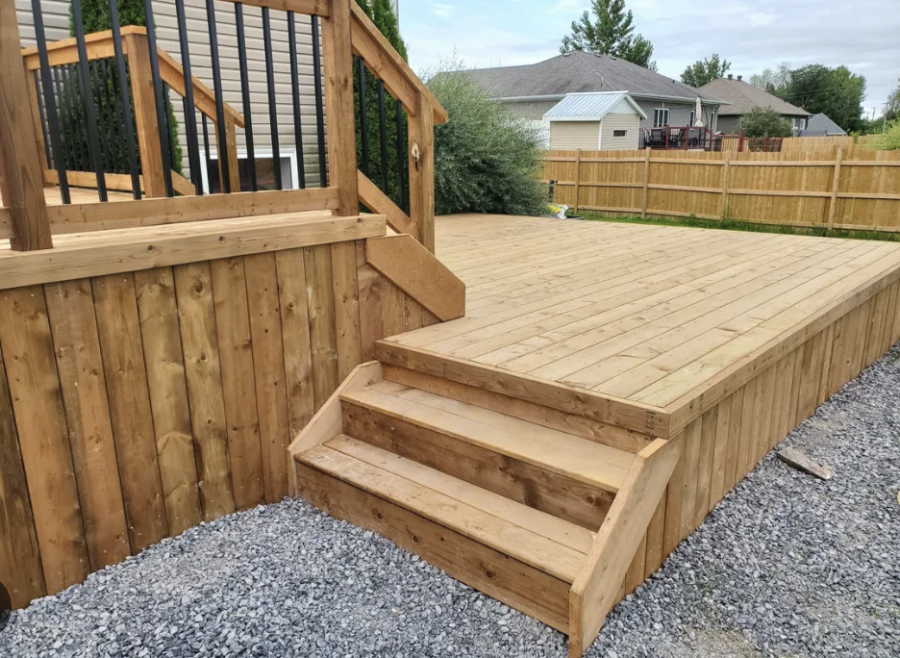
Homeowners in Eastern Ontario increasingly look beyond interior renovation toward expanding livable space outward, adding decks, sunrooms, and garden suites that extend a home's usable footprint without the cost and disruption of a full addition tied directly into the existing structure. These outdoor and semi-outdoor additions carry their own specific planning considerations that differ meaningfully from interior renovation work, starting with permit requirements that vary depending on a structure's size, proximity to property lines, and whether it's considered a permanent addition or a more removable, seasonal structure under local zoning definitions. Millennial Contracting Inc. typically walks clients through these distinctions early, since a homeowner assuming deck or sunroom permitting works identically to interior renovation permitting sometimes discovers the actual requirements differ enough to affect both timeline and design options available.
Garden suites in particular have gained popularity as Eastern Ontario municipalities have updated zoning to accommodate secondary dwelling units more readily than in past years, reflecting broader housing availability pressures affecting communities well beyond major urban centers. This regulatory shift means garden suite options that weren't feasible on a given property just a few years ago might now be permitted, making it worth revisiting this option even for homeowners who considered and dismissed it previously under older, more restrictive local rules.
Why Sunroom Additions Require Specific Climate-Conscious Planning
A sunroom in a climate with genuine winter conditions needs considerably more thoughtful construction than the same structure would require in a milder, more consistently temperate region. Proper insulation, appropriate glazing selection, and heating considerations all matter more for a sunroom expected to function comfortably through Eastern Ontario's actual seasonal range, rather than serving purely as a fair-weather space usable only during the warmest months of the year. A sunroom built without this climate-conscious planning often becomes a space homeowners stop using once temperatures drop, undermining much of the value the addition was originally meant to provide throughout a full year of ownership.
This planning distinction separates a genuinely three-season or four-season usable sunroom from one that functions well only during a narrow window of mild weather each year. Homeowners investing in this kind of addition benefit from being explicit upfront about how many months of the year they actually want the space to remain comfortable and usable, since this expectation directly shapes decisions around insulation quality, glazing type, and whether supplemental heating makes sense for the specific climate the addition needs to perform within.
What Happens After a Project Wraps Up
A renovation's completion date doesn't mark the actual end of a homeowner's relationship with the work performed, since issues sometimes surface weeks or months later that weren't apparent during final walkthrough, settling cracks, minor adjustment needs, or components that reveal problems only after a full season of actual use. Understanding what warranty coverage applies to completed work, and how straightforward the process actually is for addressing legitimate post-completion concerns, matters as much as the quality of the original construction itself.
Homeowners benefit from confirming warranty terms explicitly before a project begins, rather than assuming standard coverage applies without reviewing actual documented terms specific to their contract. A contractor who stands behind completed work with clear, accessible warranty support tends to produce a considerably better long-term homeowner experience than one whose relationship with a client effectively ends the moment final payment clears, regardless of how the completed project ultimately performs across its first full year of actual use once the crew has moved on to other projects entirely