Rainbow Six Siege has lasted because it asks players to think before they shoot. Many shooters reward fast movement and quick aim, but Siege puts pressure on every choice. A missed drone, poor wall setup, wasted gadget, or late callout can change the round before the first gunfight even starts.
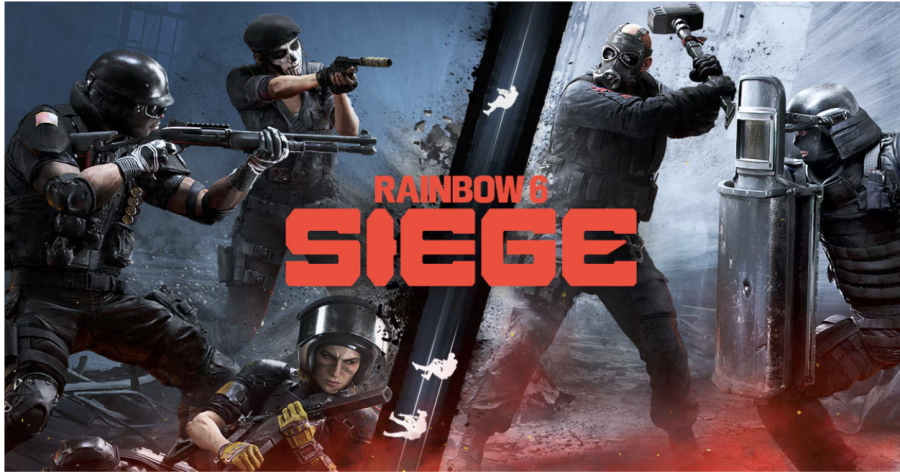
According to the official Rainbow Six Siege game page from Ubisoft, Siege is built around tactical 5v5 attack-versus-defense gameplay, close-quarters combat, unique operators, and destructible environments. That mix gives each round a strong tactical layer because players are not only fighting opponents. They are also shaping the map, gathering information, blocking routes, and creating small advantages before contact happens.
Because the game has such a high skill ceiling, some players search for shortcuts such as R6 hacks with aimbot and other valuable features. Still, the design of Siege makes one thing clear: lasting improvement comes from learning maps, reading sound cues, using utility well, and working with teammates.
Tactical Thinking Starts Before the Round
A Siege round starts before anyone fires a shot. During the preparation phase, defenders choose where to reinforce, where to place gadgets, and how to control entry points. Attackers use drones to find the site, identify operators, and plan the first move.
This early information matters. A team that knows the defender setup can choose the right entry path. A team that ignores the prep phase may walk into traps, crossfires, or wasted utility.
I think this is one of the reasons Siege feels different from many FPS games. The first fight is rarely random. It is often the result of earlier choices.
Operators Create Real Strategic Roles
Siege is built around operators, and each one changes how a team plays. Some operators gather information. Some break walls. Some deny entry. Some stop projectiles. Some create space.
This means a lineup should not be picked only for personal comfort. A strong team needs a mix of tools that solve the round’s main problem.
For example, attackers may need hard breach support, drone work, flank control, and utility removal. Defenders may need wall denial, traps, cameras, and roam pressure. When these roles connect well, the team becomes harder to read and harder to break.
Destruction Turns Maps Into Tools
Destructible environments are one of Siege’s strongest ideas. Walls, floors, ceilings, hatches, and barricades are not just scenery. They are part of the strategy.
A defender can open a line of sight to watch a hallway. An attacker can breach a wall to force defenders out of a safe position. A vertical player can use the floor above or below to clear hidden spots.
This makes map knowledge vital. A player who understands destruction can create angles that others miss. A player who ignores it may walk into sightlines they did not know existed.
Precision in Siege is not only about headshots. It is also about placing holes, opening walls, timing utility, and controlling space with intent.
Information Wins Rounds
Siege rewards teams that collect and share information. Drones, cameras, sound, pings, footsteps, barricade breaks, and gadget cues can all reveal what is happening.
Good players do not treat information as background noise. They turn it into action.
If a drone spots a defender holding a tight corner, the team can flash, breach, pinch, or rotate. If a defender hears an attacker rappelling outside a window, they can warn the team and shift positions.
Clear callouts matter here. A vague callout like “over there” is not enough. Strong teams use map names, room names, operator names, and timing. This helps teammates act fast without guessing.
Precision Means More Than Aim
Aim still matters in Siege. A clean shot can win a duel. But aim alone rarely carries a full match against coordinated players.
Precision includes crosshair placement, recoil control, timing, angle discipline, and utility use. It also includes knowing when not to take a fight.
Many newer players swing too wide, reload at poor times, or chase kills after getting a small advantage. Better players hold strong angles, trade teammates, and avoid giving defenders free chances.
Siege punishes careless movement because time-to-kill is low and sound gives away position. A small mistake can be enough.
Team Coordination Separates Good Players From Great Ones
A solo player can win a round, but Siege is built for coordinated teams. A strong attack often needs drones, flashes, breach work, flank watch, and post-plant cover to happen in order.
Defense also needs timing. Roamers need to waste time without dying too early. Anchors need to stay alive and hold the site. Support players need to keep key gadgets useful until attackers commit.
The best teams do not all make separate plays. They create pressure from several angles at the same time. One player forces movement. Another watches the escape route. A third player holds the trade.
The Clock Shapes Every Decision
Time pressure is one of Siege’s smartest design choices. Attackers cannot sit outside forever. Defenders cannot waste all their utility too early.
As the timer drops, mistakes become more costly. Attackers may rush without enough information. Defenders may panic and leave safe positions.
Good teams manage the clock in stages. They clear space early, remove key gadgets in the middle, and execute late with a plan. Poor teams often spend too long outside and then enter with no structure.
Fair Play Protects the Competitive Value
A tactical game only works when players trust the match. Ubisoft’s Rainbow Six Siege Code of Conduct covers player protection, fair play, anti-cheat work, and conduct rules for the game.
That matters because Siege is built around small details. One unfair advantage can damage the value of map control, sound reading, aim practice, and team planning.
Why Siege Still Feels Rewarding
Siege keeps players coming back because no two rounds feel the same. The same site can play out in many ways based on operator picks, spawn choices, reinforcements, drone paths, and player habits.
A team can lose one round, adjust the setup, and win the next. A player can review a mistake and fix it quickly. That constant learning loop gives Siege its staying power.
Conclusion
Rainbow Six Siege rewards tactical thinking because every round is built on planning, information, and timing. It rewards precision because small mechanical and strategic choices can decide the result. It rewards team coordination because one player’s move often depends on another player’s support.
That balance is why Siege remains one of the most distinct tactical shooters. Fast reactions help, but they are only one part of the game. The players who improve most are the ones who learn the map, respect the clock, use operators with purpose, and communicate with the team.
FAQs
Why is Rainbow Six Siege considered tactical?
It uses 5v5 roles, operator abilities, destructible maps, drones, cameras, and round planning.
Does aim matter in Rainbow Six Siege?
Yes, but aim works best with map knowledge, sound reading, utility use, and teamwork.
Why is team coordination important in Siege?
Coordinated teams can trade kills, clear rooms, protect flanks, and execute site attacks more effectively.
What makes Siege different from other shooters?
Its mix of destruction, operators, information tools, and low time-to-kill creates a slower tactical style.
How can new players improve faster?
New players should learn maps, use drones, practice callouts, control recoil, and watch how experienced players set up sites.