According to the CDC's 2024 surveillance data, falls account for nearly 40% of all traumatic brain injuries in the United States — yet many people who experience significant head impacts during a fall never realize they've sustained a concussion. The signs aren't always dramatic or immediate, and unlike broken bones or visible cuts, brain injuries often manifest through subtle changes that develop over hours or even days.
What makes fall-related concussions particularly challenging is the way symptoms can emerge. While some people experience immediate headaches or dizziness, others feel completely fine at first, only to develop concentration problems, sleep disturbances, or mood changes later. This delayed onset catches many people off guard, especially since they may not connect these seemingly unrelated symptoms to their fall.
For families, healthcare workers, and anyone who's taken a significant tumble, recognizing these varied symptom patterns early can be the difference between prompt treatment and weeks of worsening complications. The brain's response to trauma doesn't follow a predictable timeline, and understanding when and how concussion symptoms develop helps ensure nothing gets missed during those critical first days after an incident.
How Do Concussion Symptoms Develop and When Do They Appear After a Fall?
The brain's response to a fall isn't like other injuries where damage is immediately apparent. When someone hits their head or experiences a jarring impact that whips the brain around inside the skull, the injury process unfolds in phases that can span days or weeks.
Immediate symptoms — those appearing within minutes to hours — typically include headache, dizziness, nausea, and confusion. These occur because the brain tissue has been physically disrupted, affecting normal electrical activity and chemical balance. Blood flow patterns change, and certain brain regions may struggle to communicate effectively with others.
But delayed symptoms often prove more problematic because they're harder to connect to the original fall. Sleep problems might not surface until the second or third night. Concentration difficulties may only become apparent when someone returns to work or school. Mood changes can emerge gradually over the first week, making them easy to attribute to stress or other life factors rather than the head injury.
The timing varies significantly between individuals. Children often show symptoms within the first 24 hours, while adults — particularly older adults — may not experience the full symptom picture for several days. This happens because adult brains have more developed compensation mechanisms that can temporarily mask dysfunction.
Research shows that symptom evolution follows predictable patterns. Physical symptoms like headaches and dizziness tend to appear first, followed by cognitive issues such as memory problems or difficulty processing information. Emotional and behavioral changes typically emerge last, sometimes a week or more after the initial impact. Understanding this progression helps explain why someone might feel "fine" immediately after a fall but struggle with thinking clearly or feeling emotionally stable days later.
The key insight here is that the absence of immediate symptoms doesn't rule out a concussion. The brain's delayed response to trauma means vigilant monitoring during the first two weeks after any significant fall becomes essential for proper recognition and care.
What Are the Physical, Cognitive, and Neurological Symptoms After a Fall?
Concussion symptoms manifest across three distinct but interconnected systems, each reflecting different aspects of how brain trauma affects normal function. Recognizing these categories helps distinguish between various types of impairment and guides appropriate monitoring strategies.
Physical Symptoms to Watch for After a Fall
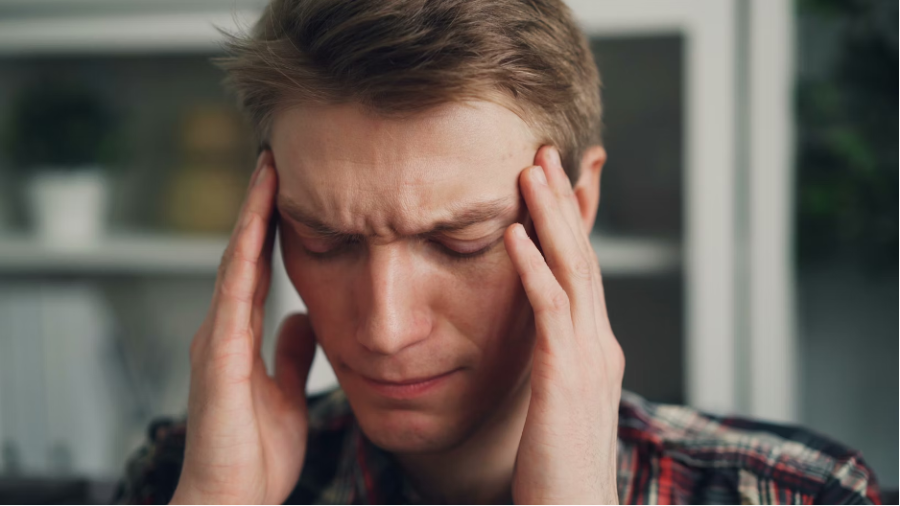
The most recognizable concussion symptoms typically involve physical discomfort that develops as the brain struggles with inflammation and altered blood flow patterns. Headaches represent the most common complaint, often described as a persistent, dull pressure that worsens with physical activity or bright lights. Unlike typical tension headaches, these tend to fluctuate throughout the day and may intensify when bending over or changing positions quickly.
Dizziness and balance problems occur because the impact affects the vestibular system — the brain's mechanism for spatial orientation. People often describe feeling "off-balance" when walking, particularly on uneven surfaces or when turning their heads quickly. Nausea and vomiting can accompany these balance issues, especially in the first 24 hours after injury.
Vision changes frequently develop, including blurred vision, sensitivity to light, or difficulty tracking moving objects. Some people experience double vision or find it harder to focus when reading. Hearing sensitivity is another common physical symptom, where normal sounds seem uncomfortably loud or cause additional headache pain.
Sleep disturbances affect nearly everyone with a concussion, though they may not appear immediately. People might struggle to fall asleep, wake frequently during the night, or feel extremely drowsy during the day despite getting adequate rest.
Cognitive and Neurological Symptoms That Signal a Concussion
While physical symptoms grab attention, cognitive changes often prove more disruptive to daily life and can persist long after headaches resolve. Memory problems typically affect recent events more than long-term recall — someone might forget conversations from earlier in the day or struggle to remember why they walked into a room.
Concentration difficulties become apparent when trying to focus on tasks that were previously routine. Reading comprehension suffers, and people often lose track of conversations or find themselves unable to follow complex instructions. This "mental fog" represents one of the most frustrating aspects of concussion recovery.
Processing speed slows significantly, meaning it takes longer to understand information or respond to questions. What used to require quick thinking now demands extra time and effort. Executive function — the ability to plan, organize, and make decisions — also becomes impaired, making it difficult to manage multiple tasks or adapt to changing situations.
Emotional regulation changes represent neurological symptoms that affect behavior and mood. People might experience unusual irritability, anxiety, or depression that seems disproportionate to their circumstances. Mood swings become more common, and emotional responses may feel unpredictable or intense.
Some individuals develop word-finding difficulties, where they know what they want to say but can't retrieve the specific words. Others experience mental fatigue that's distinct from physical tiredness — a exhaustion that comes from thinking rather than physical activity.
These cognitive and neurological symptoms often persist longer than physical ones and require different management approaches. They also tend to worsen with mental exertion, unlike physical symptoms that typically worsen with physical activity.
How Do Concussion Symptoms Differ Between Adults and Children After a Fall?
Age significantly influences how concussion symptoms present and develop, requiring different recognition strategies for various life stages. The developing brain responds differently to trauma than the mature adult brain, creating distinct patterns that caregivers and medical professionals must understand.
Symptoms Seen in Adults Following a Fall
Adult brains have fully developed neural pathways and compensation mechanisms, which means symptoms often emerge more gradually and may be masked initially by the brain's ability to work around damaged areas. Headaches in adults tend to be more persistent and specific — often described as pressure behind the eyes or at the base of the skull that differs significantly from their typical headache patterns.
Sleep disruption frequently manifests as difficulty maintaining sleep rather than trouble falling asleep. Adults might sleep for 3-4 hours, then find themselves wide awake in the middle of the night with racing thoughts or anxiety. Cognitive symptoms in adults typically center around work performance and complex decision-making abilities that weren't apparent during routine daily activities.
Mood changes often appear as increased irritability with family members or coworkers, decreased tolerance for stress, or a sense of being overwhelmed by responsibilities that were previously manageable. Adults might notice they're more sensitive to criticism or find themselves reacting emotionally to situations that wouldn't normally bother them.
Return-to-work challenges become apparent when adults attempt to resume normal job duties. Concentration problems that weren't noticeable during simple tasks become obvious during meetings, complex problem-solving, or multitasking situations. Many adults report feeling "not quite right" without being able to pinpoint specific symptoms.
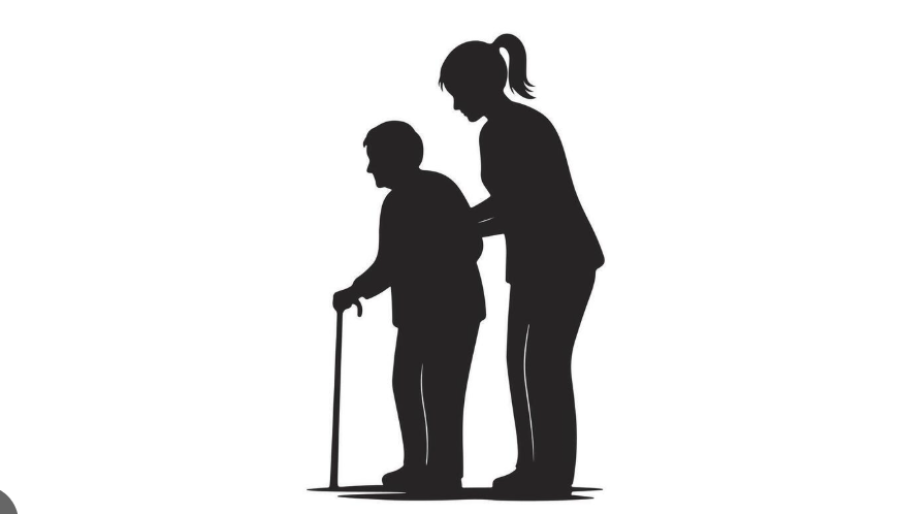
Women may experience hormonal-related symptom fluctuations, particularly if the fall occurred during certain phases of their menstrual cycle. Older adults often show more pronounced balance problems and may develop increased fall risk as a secondary concern.
What to Watch For in Children After a Fall
Children's developing brains respond to trauma differently, often showing symptoms more quickly but also potentially recovering faster with appropriate care. Behavioral changes in children can be subtle — a normally outgoing child becoming withdrawn, or an easy-going child developing frequent meltdowns over minor frustrations.
Sleep patterns in children might shift dramatically. Some become excessively sleepy, napping when they normally wouldn't, while others develop new fears about going to sleep or experience nightmares. Academic performance often provides the clearest indication of cognitive symptoms, with teachers noticing decreased attention span, difficulty following multi-step instructions, or problems completing tasks that were previously routine.
Physical symptoms in children often manifest as complaints that seem vague or inconsistent. A child might say their head hurts but be unable to describe the pain clearly, or they might complain of stomachaches that coincide with cognitive demands like homework or reading.
Emotional regulation becomes more volatile, with children showing increased crying, frustration with activities they normally enjoy, or anxiety in situations they previously handled well. Very young children might regress in toilet training, language use, or other developmental milestones.
Play behavior changes offer important clues — children might avoid physical activities they normally love, show decreased creativity in play, or become easily overwhelmed in stimulating environments like playgrounds or birthday parties. School-age children often struggle most with returning to normal academic demands and may need extended support before full recovery.
Parents should monitor how children respond to their usual routines, as changes in these patterns often reveal concussion symptoms more clearly than direct questioning about specific complaints.
How Is a Concussion Diagnosed Soon After a Fall?

Concussion diagnosis relies heavily on clinical assessment rather than imaging, since standard CT scans and MRIs typically appear normal even when significant brain injury has occurred. Healthcare providers use a combination of symptom evaluation, cognitive testing, and physical examination to identify brain trauma that doesn't show up on conventional scans.
Initial medical evaluation begins with a detailed history of the fall — how it happened, what surfaces were involved, whether loss of consciousness occurred, and what symptoms have developed since. Healthcare providers pay particular attention to the mechanism of injury, since certain types of falls create higher risk for brain trauma than others.
Cognitive assessment tools help identify thinking problems that might not be obvious during casual conversation. The SCAT-5 (Sport Concussion Assessment Tool) and similar standardized tests evaluate memory, attention, and processing speed through simple tasks like recalling word lists or performing mental calculations. These tests compare current performance to established baselines, revealing deficits that might seem minor but indicate significant brain dysfunction.
Balance testing uses specific maneuvers to assess vestibular function and coordination. The Modified Balance Error Scoring System requires patients to maintain certain standing positions with eyes closed, revealing subtle balance problems that normal walking doesn't uncover. Vision examination checks for tracking problems, convergence issues, and light sensitivity that commonly accompany concussions.
Neurological examination evaluates reflexes, coordination, and basic brain function through standard tests like following a moving finger with the eyes, walking heel-to-toe, or performing rapid alternating movements. While these tests might seem simple, they can reveal coordination problems that indicate brain trauma.
Advanced imaging like specialized MRI techniques or CT perfusion studies might be used in certain situations, particularly when symptoms are severe or when healthcare providers suspect complications like bleeding or swelling. However, these aren the gold standard for diagnosis — clinical assessment remains the primary tool.
Follow-up evaluation becomes crucial because symptoms evolve over time. Initial assessment might miss cognitive problems that don't emerge until someone returns to work or school. For individuals navigating the complexities of injury-related care, working with an experienced TBI lawyer can ensure that proper medical documentation supports both treatment decisions and any necessary legal considerations.
The diagnostic process emphasizes functional assessment — how well the brain performs real-world tasks — rather than relying solely on technology. This approach recognizes that concussion primarily affects brain function rather than creating visible structural damage.
What Are the Initial Management and Treatment Options for Concussion After a Fall?
Concussion treatment has evolved significantly from the outdated "rest in a dark room" approach toward a more nuanced strategy that balances rest with gradual return to activity. The goal focuses on allowing the brain to heal while preventing the complications that can arise from either too much activity or excessive inactivity.
Immediate care priorities center around symptom monitoring and basic safety measures. For the first 24-48 hours, someone should check on the injured person regularly, watching for signs of deterioration like repeated vomiting, severe confusion, or inability to wake up normally. Complete bed rest isn't recommended, but activities should be limited to basic daily functions without significant physical or cognitive demands.
Cognitive rest strategies involve reducing mental stimulation during the acute phase while avoiding complete mental shutdown. This means limiting screen time, avoiding complex problem-solving tasks, and reducing work or school demands temporarily. However, gentle mental activity like light reading or casual conversation helps maintain basic cognitive function and prevents the depression that can develop from complete isolation.
Physical activity management follows a graduated approach. Initial rest gives way to light walking and gentle movement as tolerated, progressing slowly toward normal activity levels. Exercise actually promotes healing by improving blood flow to the brain, but timing and intensity must be carefully managed to avoid symptom exacerbation.
Sleep optimization becomes crucial since the brain does most of its healing during rest. This might involve adjusting sleep schedules, creating optimal sleep environments, and addressing sleep disturbances that commonly develop after head trauma. Some people need temporary sleep aids, while others benefit from sleep hygiene modifications.
Symptom-specific treatments address individual complaints as they arise. Headaches might respond to specific medications, though certain pain relievers should be avoided initially. Vision problems may require temporary changes in reading habits or computer use. Balance issues might benefit from simple exercises or physical therapy referral.
Return-to-activity protocols provide structured guidance for resuming normal responsibilities. This typically involves a step-by-step progression through increasingly challenging tasks, with advancement dependent on symptom tolerance rather than arbitrary timeframes. School-age children might need academic accommodations, while working adults may require modified job duties temporarily.
The most important aspect of modern concussion treatment is individualization — recognizing that recovery timelines vary significantly between people and that treatment must adapt to each person's specific symptom profile and life demands. Regular follow-up ensures that treatment approaches evolve as symptoms change during the healing process.
Most people recover fully within several weeks to a few months, but the path isn't always linear. Understanding that setbacks are normal and that gradual improvement is more common than sudden recovery helps set realistic expectations for the healing journey ahead.