
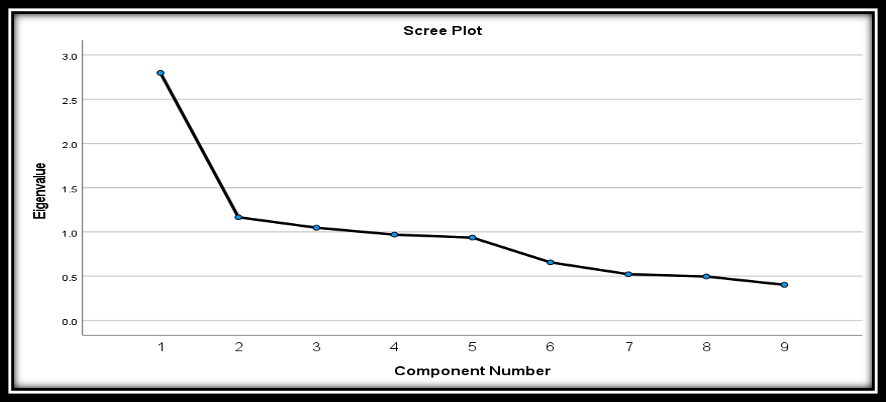
This study aims to explore the underlying factors and reasons behind Bangladesh’s low ranking (134th out of 143) in the 2025 World Happiness Report, despite noticeable economic progress. According to the Wellbeing Research Center (2025), the World Bank, GDP per capita is increasing while life satisfaction is decreasing in South Asia (South Asia development update). Some hidden factors prevent economic growth in South Asia from translating into higher levels of happiness and life satisfaction. The study investigates key determinants of happiness in Bangladesh. A primary survey of 400 respondents from Dhaka city as sample individuals is taken from diverse professional groups using a simple random sampling method, where 56.5% male and 43.5% female. Factor analysis is used to identify the key underlying factors responsible for happiness. The results for the data yield three factors that combine the 9 examined variables and reveal that happiness is affected by social, economic, and psychological factors. The factors extracted accounted for 55.706% of the total variance and were analyzed and identified. A reliability analysis of Cronbach's alpha‘s value is 0.718, which is evidence of good internal consistency. The study concludes that happiness and life satisfaction in Bangladesh require as much importance as economic growth. These findings have critical suggestions for policymakers, indicating the need for inclusive development strategies that address mental health, social support, and personal empowerment. It demands all-inclusive well-being and structural reforms, making this research highly significant for shaping future national policies.
Keywords: Happiness, Social factor, Economic factor, Psychological factor.